








Compressed Briquette Charcoal A High-Performance Uniform Fuel
admin
Compressed briquette charcoal is a processed, uniform fuel made by pressing carbonized biomass into dense, high-performance blocks. In the evolving world of sustainable energy, this product has emerged as a premium alternative to traditional wood charcoal. By utilizing 100% natural materials—typically sawdust or wood chips—these briquettes offer an eco-friendly solution for both professional restaurateurs and home BBQ enthusiasts.
But what exactly makes compressed sawdust briquettes superior to standard charcoal? Let's dive into the technical advantages and practical benefits of this innovative fuel.
What is Compressed Briquette Charcoal?
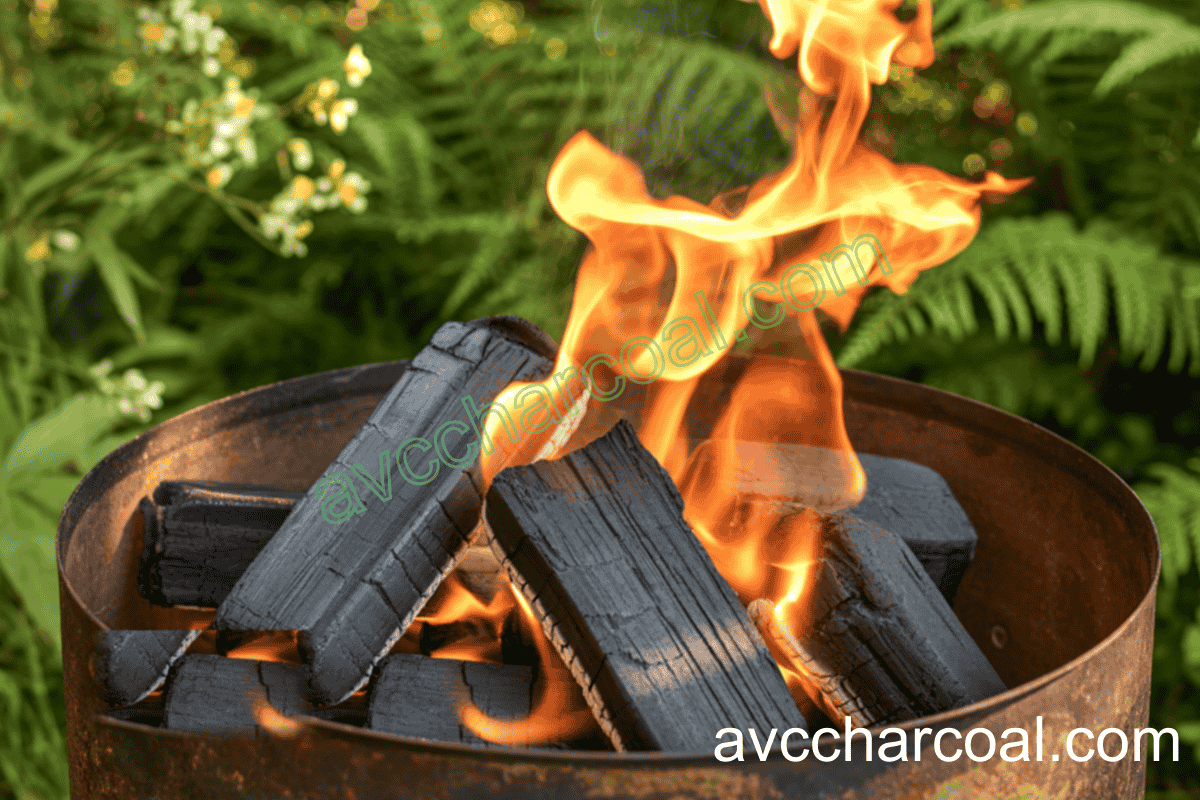
Unlike lump charcoal, which is made by burning raw logs, compressed briquette charcoal is a highly engineered fuel. It is manufactured by compressing carbonized biomass under extreme pressure without the use of chemical binders. The result is a high-density, hexagonal or square-shaped stick that often features a hole in the center to facilitate airflow and ensure consistent combustion from start to finish.
Key Benefits of Using Sawdust Briquette Charcoal
1. Long-Lasting Burn Time
Due to its extreme density, a single briquette can burn for 4 to 6 hours. This is nearly triple the lifespan of traditional wood charcoal, making it highly cost-effective for long BBQ sessions or industrial heating applications.
2. Consistent and High Heat Output
Compressed charcoal provides a steady, intense heat ranging from 6,000 to 8,000 Kcal/kg. The uniform shape ensures that there are no "cold spots" on the grill, allowing for precision cooking and perfectly seared meats.
3. Smoke-Free and Odorless
One of the most significant advantages for indoor restaurants or balcony grilling is the lack of smoke. Because the biomass is fully carbonized before compression, it burns cleanly without emitting foul odors or heavy soot, preserving the natural flavor of the food.
4. Low Ash Content
High-quality compressed briquettes leave behind very little residue (usually less than 5% ash). This makes cleanup easier and prevents ash from blowing onto the food during the cooking process.
5. Environmentally Sustainable
By utilizing wood waste and sawdust, this product prevents further deforestation. It turns industrial by-products into a valuable energy source, significantly reducing the carbon footprint of your grilling or heating activities.
Comparison Table: Briquette Charcoal vs. Lump Charcoal
|
Feature |
Compressed Briquette Charcoal |
Traditional Lump Charcoal |
|
Burn Time |
4 - 6 Hours |
1 - 2 Hours |
|
Smoke Level |
Negligible |
Moderate to High |
|
Heat Stability |
Very High/Consistent |
Fluctuating |
|
Sparking |
No Sparking |
Frequent Sparks |
|
Storage |
Space-efficient (Uniform) |
Bulky and Irregular |
Why Businesses Choose Compressed Charcoal
For Korean and Japanese BBQ restaurants, consistency is key. Compressed briquettes provide the reliability needed to serve hundreds of customers without the constant need to refill the grill. Furthermore, the lack of sparking makes it a much safer option for high-traffic dining areas where safety and air quality are top priorities.
Final Thoughts
Choosing compressed briquette charcoal is a step toward efficiency and sustainability. Whether you are looking to optimize your restaurant’s operations or simply want a better weekend BBQ experience, this high-density fuel delivers performance that traditional wood simply cannot match.
We would like you to read AVC Charcoal information: About us
You might want to study more about production process: Our production process
You might want to know about how to make sawdust briquette charcoal: how to make briquette charcoal from sawdust
You may want to see other related news: Common Fire Risks When Using Charcoal and How to Avoid Them
Related news

The Mission of AVC Charcoal Bring Green to the World
The Mission of AVC Charcoal: Bring Green to the World As the world moves toward a more sustainable future, businesses have an important role to play in reducing environmental impact and...
Read more
How to Light sawdust Briquette Charcoal for BBQ
How to Light AVC Sawdust Briquette Charcoal for BBQ Lighting sawdust briquette charcoal properly is the first step to achieving steady heat and a clean BBQ experience. AVC sawdust briquette charcoal...
Read more
How to Control Heat When Using Briquette Charcoal for BBQ
How to Control Heat When Using Briquette Charcoal for BBQ Controlling heat is essential for a successful BBQ. When using briquette charcoal, maintaining the right temperature helps food cook evenly, stay...
Read more
How Long Does Briquette Charcoal Take to Fully Ignite?
How Long Does Briquette Charcoal Take to Fully Ignite? Briquette charcoal is a popular fuel for BBQs because it burns steadily, produces consistent heat, and can provide a long-lasting cooking temperature....
Read more
How to Choose a Reliable Charcoal Supplier in Vietnam (2026 Guide)
How to Choose a Reliable Charcoal Supplier in Vietnam (2026 Guide) Finding a reliable charcoal supplier in Vietnam can be challenging, especially for importers who are sourcing from overseas. While Vietnam...
Read more

