






What Buyers Should Know Before Importing Charcoal from Vietnam
admin
Vietnam is one of the world’s most reliable suppliers of charcoal, especially sawdust briquette charcoal, smokeless BBQ charcoal, and hardwood lump charcoal. As global demand continues to rise, more international buyers are turning to Vietnam for high-quality and cost-effective charcoal products.
However, before placing an order or signing a long-term contract, buyers should understand several important factors about quality, standards, documentation, and supplier selection. This guide explains everything buyers need to know before importing charcoal from Vietnam.
1. Understand the Types of Charcoal Available
Vietnam supplies multiple types of charcoal, each suited for different uses:
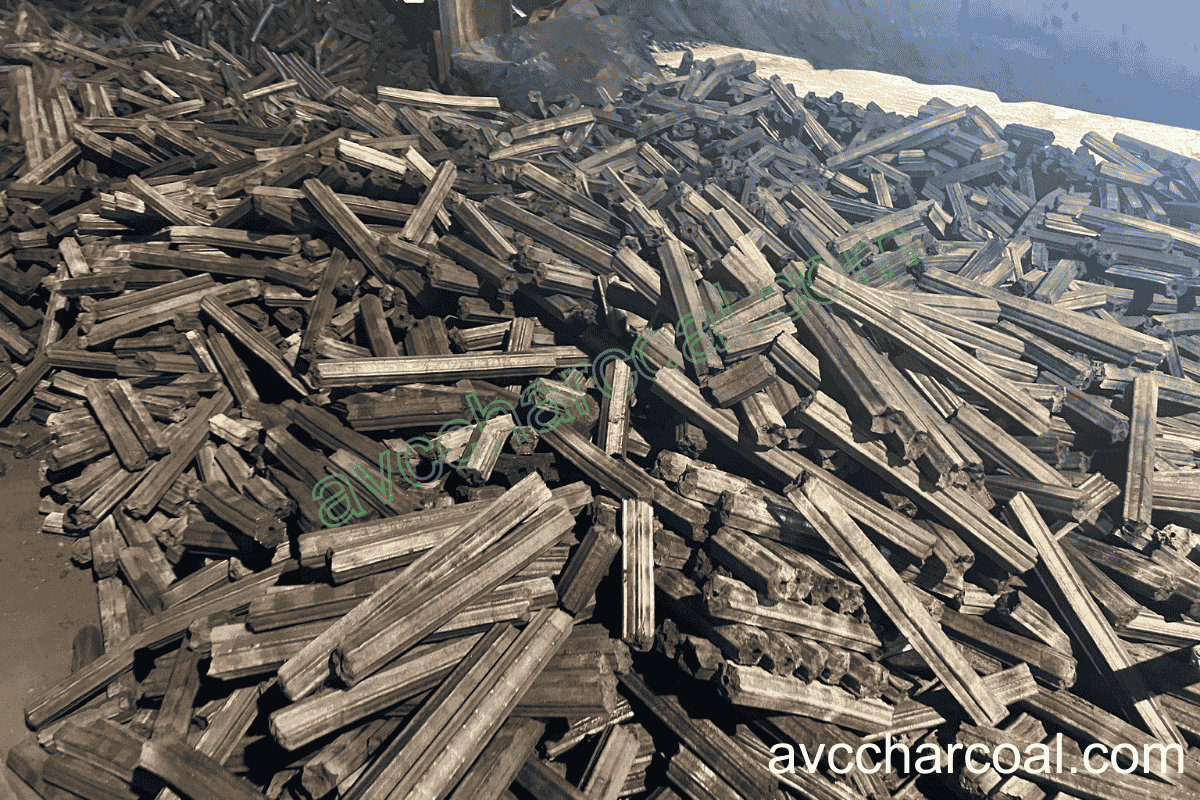
- Sawdust briquette charcoal (hexagonal or square)
- Smokeless BBQ charcoal
- Hardwood lump charcoal
- Bamboo charcoal
- Coconut shell charcoal
- Pillow-shaped briquette charcoal
Buyers should clearly choose the product that matches their market and customer requirements.
2. Quality Specifications to Check Before Buying
To avoid issues, buyers need to confirm essential specifications such as:
- Moisture content (should be under 8%)
- Ash content (under 4% for premium BBQ charcoal)
- Fixed carbon percentage
- Burning time
- Density and hardness
- Dimension tolerance
- Whether it is smokeless and spark-free
Requesting a sample before placing a large order is always recommended.
3. Packaging Options for Export
Standard packaging includes:
- 5–10–20 kg carton box
- 20–50 kg PP bag
- 800–900 kg jumbo bag
- Custom-printed BBQ packaging
Buyers should ensure strong packaging for long-distance shipping, especially to hot and humid climates.
4. Required Export Documents
When importing charcoal from Vietnam, buyers should confirm the following documents:
- Commercial Invoice
- Packing List
- Certificate of Origin (CO)
- Bill of Lading (B/L)
- Fumigation certificate (if required by country)
- MSDS and product specifications
Some high-end markets may also request quality test reports.
5. Shipping and Container Loading Considerations
Charcoal is sensitive to moisture, so loading must be done properly:
- Use dry containers
- Avoid rain exposure during loading
- Keep moisture level stable
- Ensure proper ventilation if needed
- Confirm net and gross weight
- Recommend palletizing for premium markets
A full 20-foot container typically carries 18–21 tons depending on packaging and charcoal type.
6. Choosing the Right Supplier in Vietnam
Reliable suppliers should have:
- Stable monthly production capacity
- Experience in exporting to your country
- Clear quality control process
- Transparent pricing
- Factory location near major ports
- Fast communication and professional service
Buyers should avoid brokers without a factory unless they can prove consistent supply.
7. Payment Terms and Contract Conditions
The most common payment methods include:
- Telegraphic Transfer (TT)
- 30% deposit – 70% balance after BL
- LC at sight for large orders
- Flexible terms for long-term partners
Buyers must review lead time, refund policy, quality guarantee, and claim procedure before signing.
Conclusion
Vietnam is an excellent source of high-quality charcoal at competitive export prices. However, to ensure smooth business and consistent quality, buyers must carefully evaluate specifications, packaging, documents, suppliers, and shipping arrangements. With proper understanding and preparation, importers can build long-term partnerships and secure a stable charcoal supply from Vietnam.
Related news

The Mission of AVC Charcoal Bring Green to the World
The Mission of AVC Charcoal: Bring Green to the World As the world moves toward a more sustainable future, businesses have an important role to play in reducing environmental impact and...
Read more
How to Light sawdust Briquette Charcoal for BBQ
How to Light AVC Sawdust Briquette Charcoal for BBQ Lighting sawdust briquette charcoal properly is the first step to achieving steady heat and a clean BBQ experience. AVC sawdust briquette charcoal...
Read more
How to Control Heat When Using Briquette Charcoal for BBQ
How to Control Heat When Using Briquette Charcoal for BBQ Controlling heat is essential for a successful BBQ. When using briquette charcoal, maintaining the right temperature helps food cook evenly, stay...
Read more
How Long Does Briquette Charcoal Take to Fully Ignite?
How Long Does Briquette Charcoal Take to Fully Ignite? Briquette charcoal is a popular fuel for BBQs because it burns steadily, produces consistent heat, and can provide a long-lasting cooking temperature....
Read more
How to Choose a Reliable Charcoal Supplier in Vietnam (2026 Guide)
How to Choose a Reliable Charcoal Supplier in Vietnam (2026 Guide) Finding a reliable charcoal supplier in Vietnam can be challenging, especially for importers who are sourcing from overseas. While Vietnam...
Read more

