





Vietnamese Sawdust Briquettes: Why They Are the Top Choice for Japanese Yakiniku and Yakitori
admin
Introduction: Bridging Tradition and Efficiency
The Japanese charcoal market, characterized by its demand for meticulous quality and consistency, is witnessing a rising preference for imported Sawdust Briquette Charcoal often referred to locally as Ogalite. Among global suppliers, Vietnam has become the leading source for this specialized fuel. This preference is driven not by price alone, but by Vietnam's unique ability to meet the rigorous quality control and specific performance metrics required by Japan's high-stakes culinary and industrial sectors.
Meeting the Japanese Quality Benchmark
Japanese buyers are not just looking for charcoal; they are seeking a reliable, high-performance cooking tool. Vietnamese sawdust briquettes consistently excel in key areas.
Uniformity and Density: Vietnamese manufacturers utilize advanced pressing techniques, resulting in briquettes—typically hexagonal—that are uniformly dense. This guarantees predictable, consistent heat output and burn time, a critical requirement for Yakitori chefs who rely on stable temperatures across the entire grill surface.
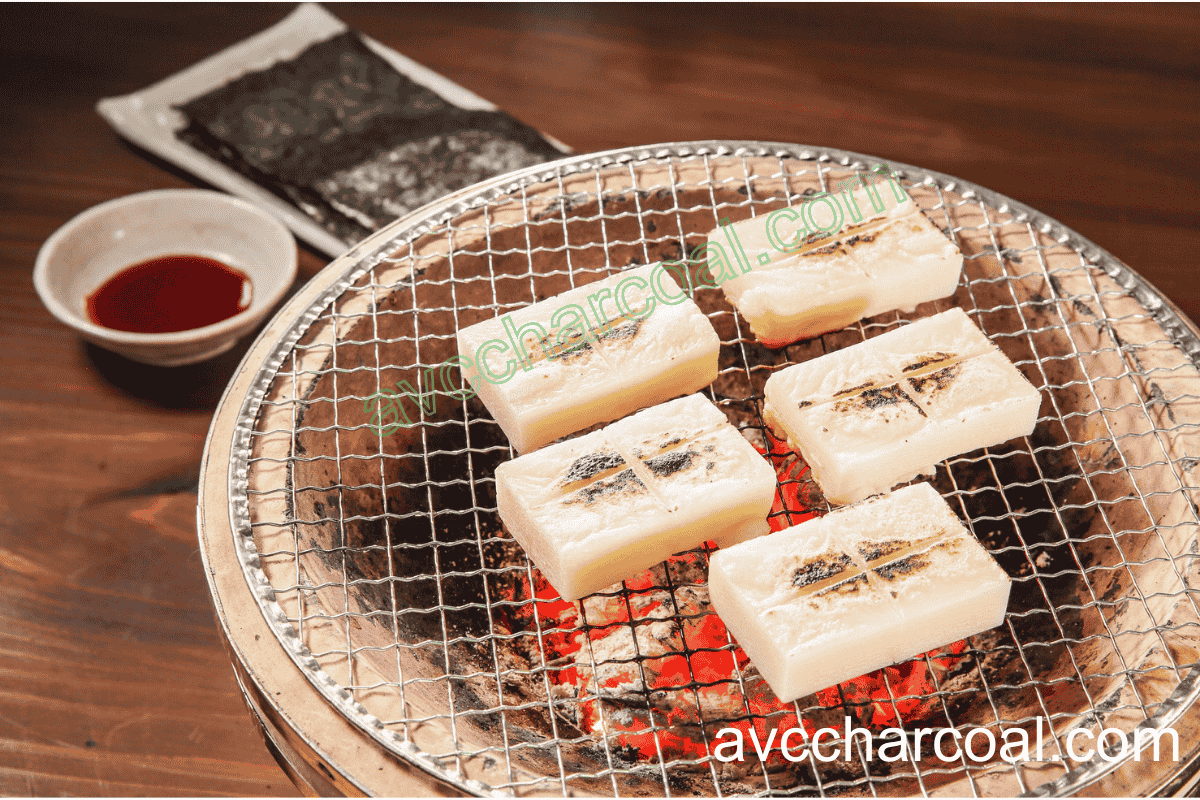
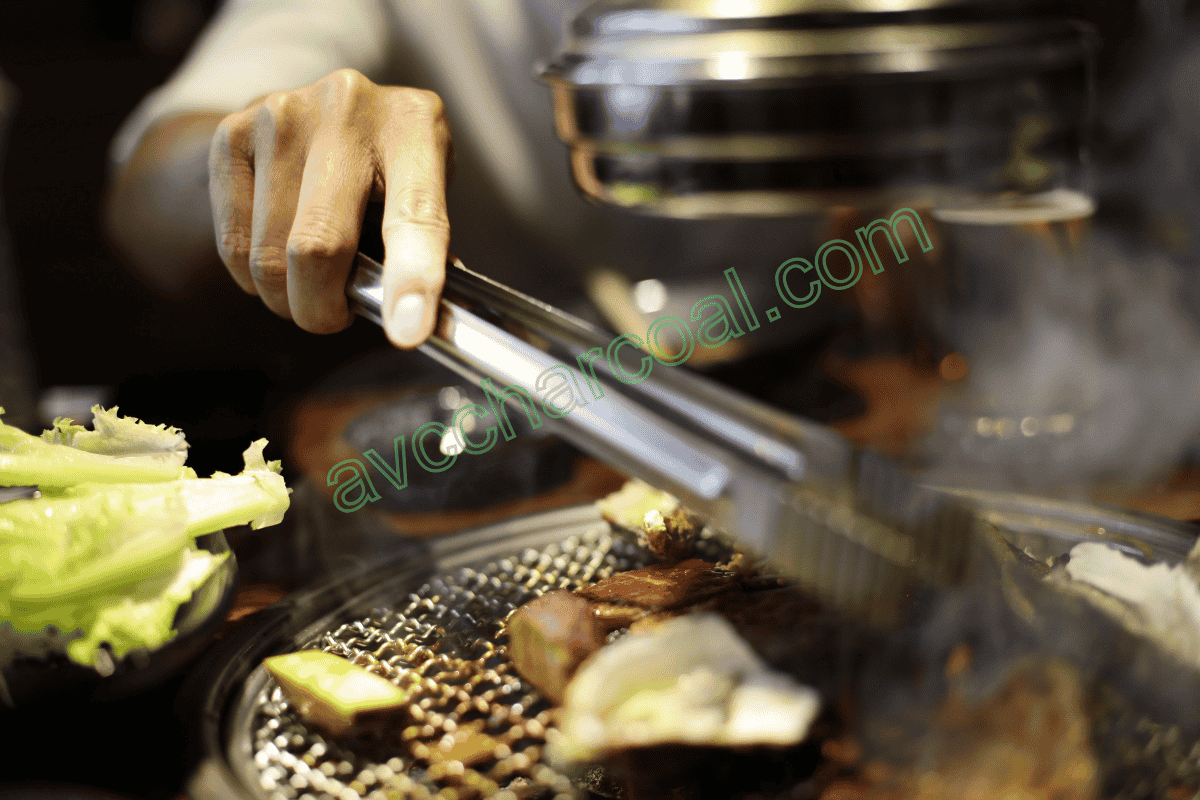
High Purity and Clean Burn: The raw material, kiln-dried sawdust, ensures a high fixed carbon content and very low volatile matter. This purity results in a low-smoke, odorless burn vital for indoor Yakiniku restaurants, preventing interference with the delicate flavors of the grilled food. This meets the same high environmental standards previously reserved for domestic premium charcoal.
Performance and Efficiency
For commercial kitchens and industrial users, Vietnamese sawdust briquettes offer tangible operational advantages over traditional lump charcoal.
Long-Lasting Heat: The high density translates directly into superior longevity compared to many types of imported hardwood lump charcoal. A longer burn time reduces the need for constant refueling, saving labor costs and maintaining operational flow during busy service hours.
Minimal Ash Production: Low ash residue simplifies cleanup and maintenance of ventilation systems and grills. This efficiency factor is highly valued in the labor-intensive Japanese food service industry.
Supply Chain Reliability and Certification
The strategic trade relationship between Vietnam and Japan further strengthens this preference.
Reliable Supply Volume: Vietnamese production capacity is robust and consistent, allowing exporters like avccharcoal.com to guarantee the large, steady volumes that major Japanese trading houses require year-round. This minimizes the risk of stock shortages crucial for an import-dependent market.
Compliance and Documentation: Vietnamese exporters are highly proficient in navigating Japan’s strict import regulations, including phytosanitary and quality control measures. The ability to provide accurate classification and compliance documentation significantly reduces customs delay risks, offering a smoother procurement process for Japanese importers.
You might want to study more about: Japan Charcoal Market Overview 2026: Analyzing High-End Demand, Import Trends, and the Role of Binchotan
Conclusion: Value Beyond Cost
Japanese buyers choose Vietnamese sawdust briquette charcoal not because it is the cheapest, but because it offers the best blend of quality, performance, and supply chain reliability. By providing a product that closely mimics the performance characteristics of high-end charcoal while offering logistical consistency, Vietnam has secured a long-term, high-value partnership within Japan's exacting charcoal market.
Related news

The Mission of AVC Charcoal Bring Green to the World
The Mission of AVC Charcoal: Bring Green to the World As the world moves toward a more sustainable future, businesses have an important role to play in reducing environmental impact and...
Read more
How to Light sawdust Briquette Charcoal for BBQ
How to Light AVC Sawdust Briquette Charcoal for BBQ Lighting sawdust briquette charcoal properly is the first step to achieving steady heat and a clean BBQ experience. AVC sawdust briquette charcoal...
Read more
How to Control Heat When Using Briquette Charcoal for BBQ
How to Control Heat When Using Briquette Charcoal for BBQ Controlling heat is essential for a successful BBQ. When using briquette charcoal, maintaining the right temperature helps food cook evenly, stay...
Read more
How Long Does Briquette Charcoal Take to Fully Ignite?
How Long Does Briquette Charcoal Take to Fully Ignite? Briquette charcoal is a popular fuel for BBQs because it burns steadily, produces consistent heat, and can provide a long-lasting cooking temperature....
Read more
How to Choose a Reliable Charcoal Supplier in Vietnam (2026 Guide)
How to Choose a Reliable Charcoal Supplier in Vietnam (2026 Guide) Finding a reliable charcoal supplier in Vietnam can be challenging, especially for importers who are sourcing from overseas. While Vietnam...
Read more

