





Vietnamese Briquettes: The Essential Fuel for South Korean Gogi-gui and Commercial Grilling
admin
Introduction: The High Standards of Korean BBQ
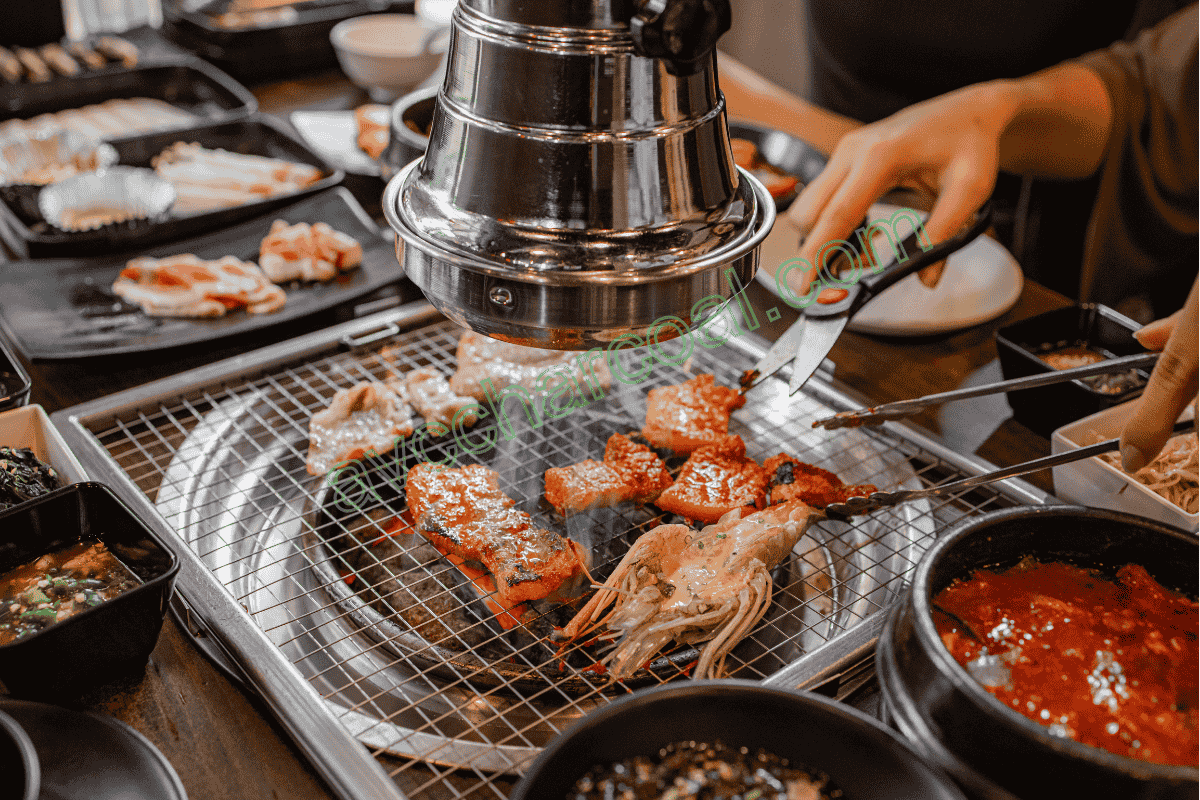
South Korea's Gogi-gui culture places stringent demands on charcoal quality. Restaurants require a fuel that offers intense, predictable heat and, critically, burns cleanly with minimal smoke and odor. This high standard has positioned Vietnamese suppliers as the preferred choice for briquette charcoal. Vietnam's proficiency in producing high-density, uniform sawdust briquettes and specialized coconut shell briquettes makes it an indispensable partner for the competitive South Korean HORECA sector.
Performance Excellence for Commercial Use
Vietnamese briquette charcoal meets and often exceeds the operational requirements of high-volume Korean BBQ restaurants.
Uniformity and Heat Consistency: Sawdust briquettes, typically hexagonal or cylindrical, are prized for their consistent size and density. This uniformity ensures a predictable, long-lasting heat output, vital for cooking marinated meats evenly without scorching. Korean chefs value this reliability, as it directly impacts cooking time and food quality.
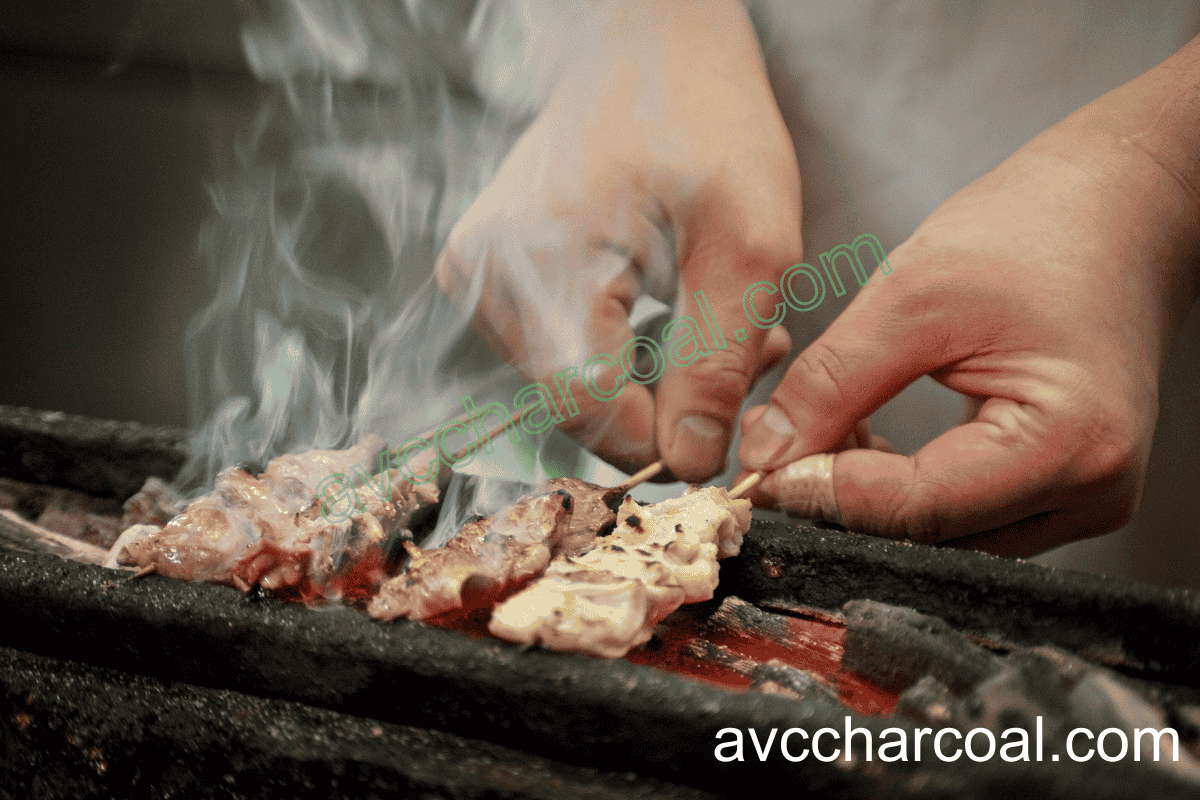
Clean Burn and Odorless Performance: In the common semi-indoor setting of Korean BBQ, low smoke and zero odor are non-negotiable. Vietnamese briquettes, made from pure, highly carbonized hardwood sawdust or coconut shells, produce a clean burn, ensuring that the flavor profile of the meat is preserved, and the restaurant environment remains comfortable.
High Fixed Carbon Content: Vietnamese production processes achieve a high fixed carbon content, often exceeding 80%. This results in a superior caloric value and prolonged burn time, offering a significant cost-effectiveness advantage over lower-grade imported charcoal.
Supply Chain Stability and Commercial Advantage
Beyond product quality, the established trade route and reliable production volume from Vietnam offer key commercial benefits to Korean importers.
Consistent Volume and Grade: The robust and scalable production capacity in Vietnam, supported by abundant raw materials, allows exporters like avccharcoal.com to meet the large, year-round volume demands of major South Korean importers and distributors. The ability to supply a consistent Grade A product minimizes risks for the buyer.
Competitive Logistics: Vietnam’s strategic location and established shipping routes to major Korean ports like Busan and Incheon contribute to competitive CFR Cost and Freight rates and reliable sailing schedules. This logistical efficiency is crucial for maintaining low inventory risk in the import-dependent Korean market.
Adaptability to Market Needs: Vietnamese manufacturers are adept at customization, producing briquettes in the specific shapes (hexagonal, round, cube) and packaging sizes (e.g., small retail packs or large commercial cartons) required by the diverse South Korean market, from high-end BBQ to camping retail.
Watch our videos on Youtube: How to make sawdust briquette charcoal
You might want to study more about: South Korea Charcoal Market 2026: Demand Drivers, Import Trends, and Growth in Korean BBQ Sector
Conclusion: Quality That Drives Business
South Korea chooses Vietnamese briquette charcoal because it provides the optimal balance of certified quality, consistent performance, and supply chain reliability. By delivering a high-purity, long-burning fuel that enhances the Gogi-gui dining experience while maximizing operational efficiency for restaurants, Vietnam has solidified its position as the premier source for professional charcoal fuel in South Korea.
Related news

The Mission of AVC Charcoal Bring Green to the World
The Mission of AVC Charcoal: Bring Green to the World As the world moves toward a more sustainable future, businesses have an important role to play in reducing environmental impact and...
Read more
How to Light sawdust Briquette Charcoal for BBQ
How to Light AVC Sawdust Briquette Charcoal for BBQ Lighting sawdust briquette charcoal properly is the first step to achieving steady heat and a clean BBQ experience. AVC sawdust briquette charcoal...
Read more
How to Control Heat When Using Briquette Charcoal for BBQ
How to Control Heat When Using Briquette Charcoal for BBQ Controlling heat is essential for a successful BBQ. When using briquette charcoal, maintaining the right temperature helps food cook evenly, stay...
Read more
How Long Does Briquette Charcoal Take to Fully Ignite?
How Long Does Briquette Charcoal Take to Fully Ignite? Briquette charcoal is a popular fuel for BBQs because it burns steadily, produces consistent heat, and can provide a long-lasting cooking temperature....
Read more
How to Choose a Reliable Charcoal Supplier in Vietnam (2026 Guide)
How to Choose a Reliable Charcoal Supplier in Vietnam (2026 Guide) Finding a reliable charcoal supplier in Vietnam can be challenging, especially for importers who are sourcing from overseas. While Vietnam...
Read more

