





The Rise of Eco-Friendly Charcoal: Vietnam’s Sustainable Production Methods
admin
As global consumers and businesses shift toward cleaner and more environmentally responsible fuel options, eco-friendly charcoal has become one of the fastest-growing segments in the market. Vietnam is now emerging as a leader in sustainable charcoal production, supplying smokeless briquette charcoal and biomass-based fuel to countries that demand low-emission, high-performance products.
This article explains why eco-friendly charcoal is rising worldwide and how Vietnam’s production methods support this trend.
1. Increasing Global Demand for Eco-Friendly Fuel
Countries around the world are adopting stricter environmental regulations for:
- BBQ restaurants
- Outdoor grilling
- Industrial heating
- Food-service kitchens
- Retail charcoal products
Consumers prefer fuels that produce:
- Less smoke
- Less odor
- Less ash
- Lower carbon emissions
Vietnamese briquette charcoal aligns perfectly with these expectations.
2. Made From Recycled Biomass and Natural Waste
Vietnam has abundant natural waste materials that can be repurposed into high-quality charcoal, including:
- Sawdust
- Wood shavings
- Timber offcuts
- Agricultural by-products
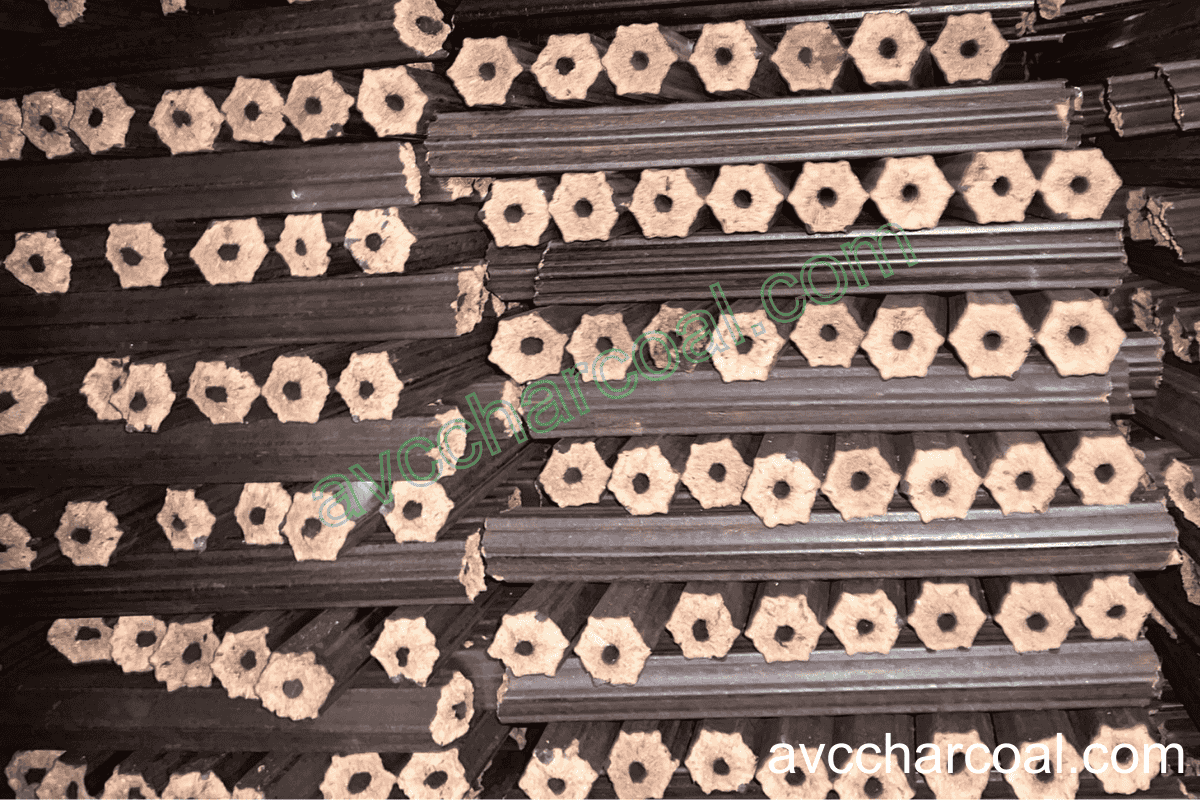
Instead of burning or discarding these wastes, factories compress them into briquettes, creating a sustainable and renewable fuel source. No chemicals or artificial binders are used, making the charcoal safe and eco-friendly.
3. Modern Carbonization Technology With Low Emissions
Vietnamese factories are investing heavily in advanced carbonization systems:
- Continuous carbonization kilns
- Temperature-controlled furnaces
- Energy-efficient drying units
- Automated briquette presses
These systems help:
- Reduce smoke emissions
- Lower CO₂ output
- Improve energy efficiency
- Produce cleaner, denser charcoal
This technological shift is one of the main reasons Vietnam is recognized as a sustainable charcoal supplier.
4. High Efficiency and Cleaner Burning Performance
Eco-friendly charcoal from Vietnam offers:
- Higher calorific value
- Longer burning time
- Stable heat output
- Minimal ash residue
This means customers use less charcoal to achieve the same grilling performance, reducing overall carbon footprint while saving cost.
5. Strong Support From Export Markets
Countries such as Japan, Korea, the UAE, Germany, France, Australia, and the USA increasingly prefer charcoal that meets environmental standards. Vietnamese briquette charcoal typically passes:
- Food-grade safety guidelines
- Low-smoke emission requirements
- Retail eco-labeling standards
Retailers and restaurants value the combination of clean performance and sustainable production.
6. Reduced Deforestation Through Responsible Material Sourcing
Unlike lump charcoal made from natural hardwood logs, sawdust briquette charcoal:
- Does not require tree cutting
- Uses only recycled materials
- Minimizes environmental damage
- Supports sustainable forestry practices
This is a major factor behind its growing popularity in environmentally conscious markets.
7. Strong Export Infrastructure Supporting Eco Products
Vietnam’s export network helps eco-friendly charcoal reach global buyers efficiently:
- Reliable seaports
- Temperature-controlled warehousing
- Fast container loading
- Experienced logistics teams
These advantages ensure high-quality charcoal maintains its performance during long shipping cycles.
Conclusion
Eco-friendly charcoal is becoming a global standard, and Vietnam is at the forefront of this movement thanks to its sustainable raw materials, modern production technology, clean-burning performance, and strong export capabilities. As consumer awareness grows, demand for Vietnamese briquette charcoal will continue to rise across international markets.
Related news

The Mission of AVC Charcoal Bring Green to the World
The Mission of AVC Charcoal: Bring Green to the World As the world moves toward a more sustainable future, businesses have an important role to play in reducing environmental impact and...
Read more
How to Light sawdust Briquette Charcoal for BBQ
How to Light AVC Sawdust Briquette Charcoal for BBQ Lighting sawdust briquette charcoal properly is the first step to achieving steady heat and a clean BBQ experience. AVC sawdust briquette charcoal...
Read more
How to Control Heat When Using Briquette Charcoal for BBQ
How to Control Heat When Using Briquette Charcoal for BBQ Controlling heat is essential for a successful BBQ. When using briquette charcoal, maintaining the right temperature helps food cook evenly, stay...
Read more
How Long Does Briquette Charcoal Take to Fully Ignite?
How Long Does Briquette Charcoal Take to Fully Ignite? Briquette charcoal is a popular fuel for BBQs because it burns steadily, produces consistent heat, and can provide a long-lasting cooking temperature....
Read more
How to Choose a Reliable Charcoal Supplier in Vietnam (2026 Guide)
How to Choose a Reliable Charcoal Supplier in Vietnam (2026 Guide) Finding a reliable charcoal supplier in Vietnam can be challenging, especially for importers who are sourcing from overseas. While Vietnam...
Read more

