








The Chef's Choice: Best Charcoal Types for Yakiniku, Yakitori, and Premium Japanese BBQ
admin
Introduction: Precision Fuel for Japanese Culinary Arts
Japanese grilling, epitomized by the high heat and meticulous technique of Yakiniku (grilled meat) and Yakitori (grilled skewers), requires specialized charcoal. Unlike standard barbecue, Japanese culinary arts demand fuel that offers extreme temperature stability, zero interference with food flavor, and a clean burn for indoor dining environments. For charcoal suppliers, understanding these specific performance metrics is key to capturing the high-end HORECA (Hotel, Restaurant, and Café) segment in Japan.
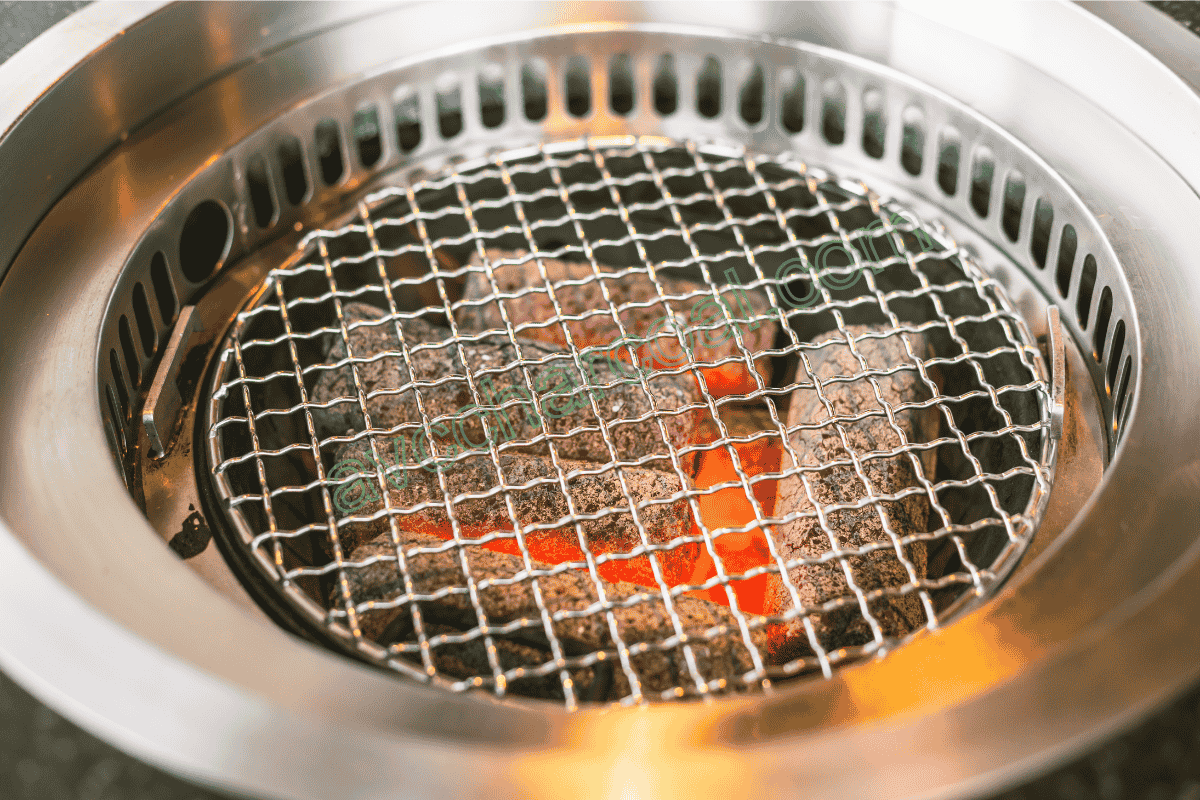
The Pinnacle of Quality: Bincho-tan and its Influence
While Bincho-tan (Japanese white charcoal) is traditionally the ultimate standard, its high cost and limited supply have opened the market for high-performance, imported alternatives. The performance of these alternatives is judged against Bincho-tan's hallmark features: extremely high, sustained heat and a clean, odorless burn.
Top Choice 1: High-Density Sawdust Briquette Charcoal
Often the preferred imported charcoal in Japanese commercial kitchens due to its predictability and efficiency.
Consistent Heat Profile: The uniform shape, typically hexagonal, allows chefs to pack the grill precisely. The high density ensures stable heat distribution for over 4–5 hours, which is ideal for the long service demands of Yakiniku restaurants. Odorless Burn: Made from compressed wood sawdust, these briquettes are highly carbonized, resulting in virtually no smoke or foul odor. This is crucial for Yakitori where flavor purity is paramount. Cost-Effectiveness: Vietnamese-sourced briquettes, like those from avccharcoal.com, offer a significantly lower cost compared to domestic options while retaining high performance, making them the superior operational choice.
Top Choice 2: Premium Hardwood Lump Charcoal
Selected hardwood lump charcoal is often used, particularly in restaurants aiming for a more traditional, slight smokiness.
High Calorific Value: High-quality lump charcoal provides intense initial heat necessary for a quick sear, a technique often used in high-end Yakiniku. Natural Appearance: Some traditional restaurants prefer the aesthetic and texture of natural lump charcoal over manufactured briquettes. Selection is Critical: Only fully carbonized, dense hardwood charcoal that is completely dry and free from sparking is acceptable, making sourcing transparency essential.
Why Charcoal Type Matters to the Chef
The choice of charcoal directly impacts the cooking process and the final dish:
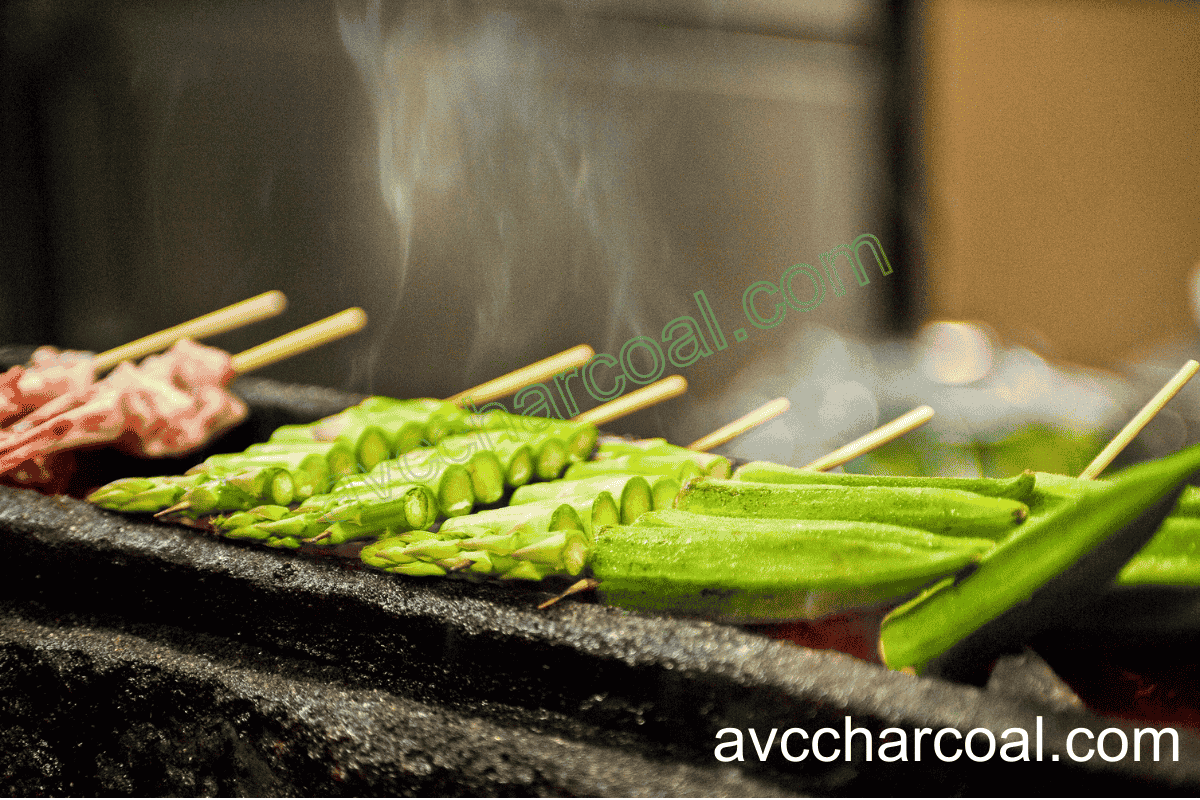
· Yakitori Skewers: Require lower, sustained heat for even cooking and must not impart any chemical taste, favoring the stable, clean-burning briquettes.
· Yakiniku Table Grills: Need intense, stable heat to quickly sear slices of meat without drying them out, benefiting from the long-lasting performance of high-density briquettes.
You might want to study more about: Japan Charcoal Import Compliance: Essential Requirements, HS Codes, and Phytosanitary Rules
Conclusion: Precision and Performance
For the Japanese HORECA market, the 'best' charcoal is the most reliable charcoal. High-density, uniform sawdust briquettes have successfully positioned themselves as the leading alternative to traditional Japanese charcoal. By prioritizing the low-smoke, stable-heat features required by Yakiniku and Yakitori masters, exporters can secure profitable, long-term relationships with Japan's premium restaurant industry.
Related news

The Mission of AVC Charcoal Bring Green to the World
The Mission of AVC Charcoal: Bring Green to the World As the world moves toward a more sustainable future, businesses have an important role to play in reducing environmental impact and...
Read more
How to Light sawdust Briquette Charcoal for BBQ
How to Light AVC Sawdust Briquette Charcoal for BBQ Lighting sawdust briquette charcoal properly is the first step to achieving steady heat and a clean BBQ experience. AVC sawdust briquette charcoal...
Read more
How to Control Heat When Using Briquette Charcoal for BBQ
How to Control Heat When Using Briquette Charcoal for BBQ Controlling heat is essential for a successful BBQ. When using briquette charcoal, maintaining the right temperature helps food cook evenly, stay...
Read more
How Long Does Briquette Charcoal Take to Fully Ignite?
How Long Does Briquette Charcoal Take to Fully Ignite? Briquette charcoal is a popular fuel for BBQs because it burns steadily, produces consistent heat, and can provide a long-lasting cooking temperature....
Read more
How to Choose a Reliable Charcoal Supplier in Vietnam (2026 Guide)
How to Choose a Reliable Charcoal Supplier in Vietnam (2026 Guide) Finding a reliable charcoal supplier in Vietnam can be challenging, especially for importers who are sourcing from overseas. While Vietnam...
Read more

