





South Korea Charcoal Market 2026: Demand Drivers, Import Trends, and Growth in Korean BBQ Sector
admin
Introduction: The Backbone of Korean Culinary Culture
The South Korean charcoal market is robust and import-driven, fundamentally underpinned by the nation's passion for Gogi-gui (Korean BBQ) dining. By 2026, the market continues its steady expansion, fueled by urbanization, sustained growth in the HORECA (Hotel, Restaurant, and Café) sector, and a preference for charcoal that delivers specific heat and flavor profiles. Understanding the nuances of this market—particularly the demand for clean, high-performance fuel—is key for international suppliers.
Demand Drivers: The Dominance of Korean BBQ
The primary catalyst for charcoal consumption in South Korea is the massive commercial use in dedicated BBQ restaurants, which span from budget-friendly chains to high-end establishments.
Gogi-gui Culture: Korean BBQ mandates intense, consistent heat for rapid searing of meats like Samgyeopsal (pork belly) and Galbi (marinated ribs). This requires high-calorific charcoal that burns cleanly, minimizes smoke, and prevents unwanted flavor transfer. This drives significant import volumes of specialized sawdust briquette charcoal and high-density hardwood lump charcoal.
Camping and Outdoor Grilling: Leisure activities, particularly camping and outdoor grilling, have seen a major spike post-pandemic, creating a steady B2C demand for smaller, consumer-packaged retail charcoal, emphasizing convenience and ease of ignition.
Market Segmentation and Key Product Trends
The South Korean market clearly segments based on performance and price point.
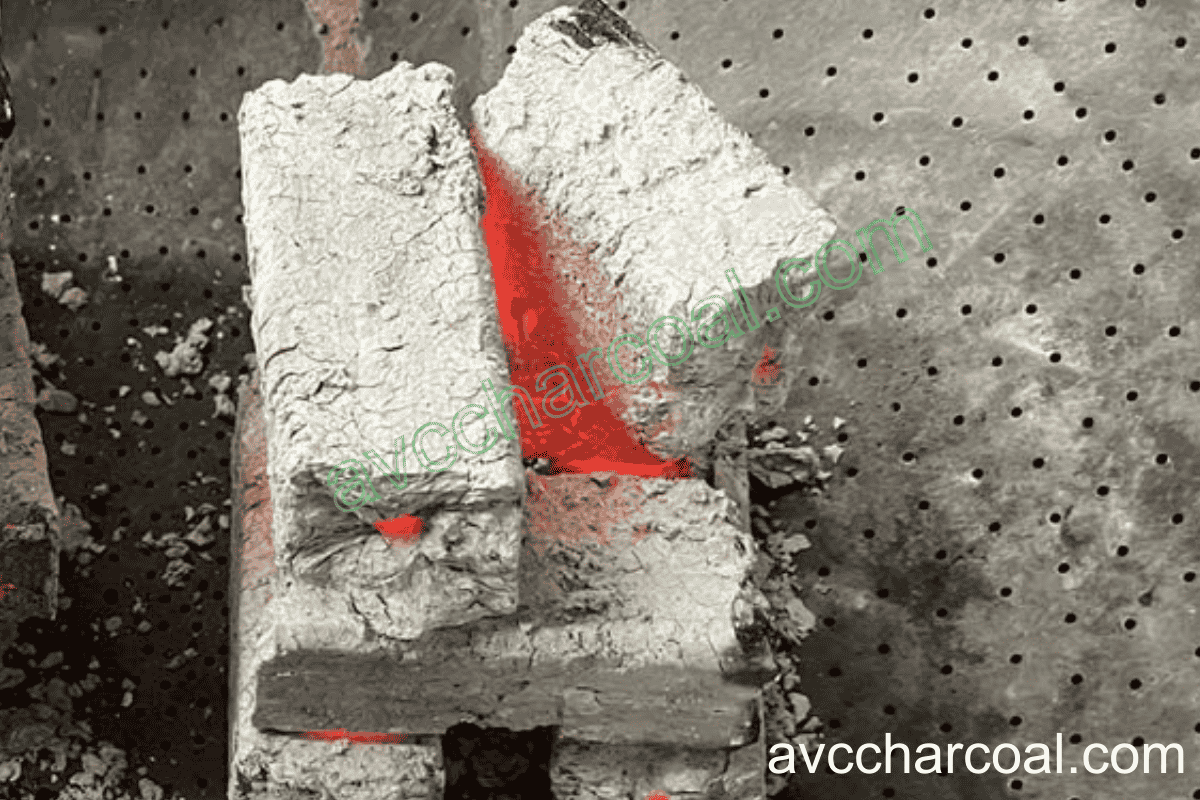
1. Sawdust Briquette Charcoal (Binchōtan Imitation): Often preferred for its superior density and long, even burn. Vietnamese and Indonesian sawdust briquettes are highly sought after as they offer high-performance consistency required by professional chefs at a more economical price point than domestic or imported Bincho-tan.
2. Hardwood Lump Charcoal: Traditional lump charcoal remains popular, especially in restaurants aiming for an authentic, smoky flavor. However, Korean buyers are highly selective, demanding fully carbonized, dense charcoal to prevent excessive popping and sparking, which are safety concerns in indoor dining.
3. Coconut Shell Charcoal: While less dominant than in the shisha markets of the UAE, coconut shell charcoal is gaining traction in specific sectors due to its eco-friendly origin and extremely low ash. Its use is expanding in high-end grilling where absolute purity of flavor is a priority.
Import Growth and Market Insights for 2026
South Korea’s charcoal supply is heavily reliant on imports, creating consistent opportunities for exporters.
Reliability Over Price: Korean buyers, much like Japanese, value supply chain reliability and quality consistency above absolute price savings. Maintaining a stable moisture content and verifiable carbon content is critical for securing and maintaining contracts.
Packaging and Labeling: The Korean market requires labeling that is clear, durable, and often includes instructions in the Korean language. Retail packaging must be visually appealing and highlight quality markers such as "Low Smoke" or "High Calorie."
You might want to study more about: Our Factory Pictures
Conclusion: Sustained High Demand
The South Korean charcoal market in 2026 is defined by sustained, high commercial demand from the BBQ sector. Exporters providing consistent, high-density charcoal—especially specialized sawdust briquettes—that meet the strict safety and performance needs of professional Gogi-gui establishments are best positioned to capture significant market share and benefit from stable import growth.
Related news

The Mission of AVC Charcoal Bring Green to the World
The Mission of AVC Charcoal: Bring Green to the World As the world moves toward a more sustainable future, businesses have an important role to play in reducing environmental impact and...
Read more
How to Light sawdust Briquette Charcoal for BBQ
How to Light AVC Sawdust Briquette Charcoal for BBQ Lighting sawdust briquette charcoal properly is the first step to achieving steady heat and a clean BBQ experience. AVC sawdust briquette charcoal...
Read more
How to Control Heat When Using Briquette Charcoal for BBQ
How to Control Heat When Using Briquette Charcoal for BBQ Controlling heat is essential for a successful BBQ. When using briquette charcoal, maintaining the right temperature helps food cook evenly, stay...
Read more
How Long Does Briquette Charcoal Take to Fully Ignite?
How Long Does Briquette Charcoal Take to Fully Ignite? Briquette charcoal is a popular fuel for BBQs because it burns steadily, produces consistent heat, and can provide a long-lasting cooking temperature....
Read more
How to Choose a Reliable Charcoal Supplier in Vietnam (2026 Guide)
How to Choose a Reliable Charcoal Supplier in Vietnam (2026 Guide) Finding a reliable charcoal supplier in Vietnam can be challenging, especially for importers who are sourcing from overseas. While Vietnam...
Read more

