








Key Factors That Affect Charcoal Quality During Export Shipping
admin
Shipping charcoal internationally requires proper handling, stable packaging, and controlled moisture conditions. Even high-quality charcoal produced in Vietnam can lose performance if exposed to humidity, poor loading practices, or improper container storage.
Understanding the factors that affect charcoal quality during export shipping helps buyers reduce risks and maintain product performance upon arrival. Below are the key elements that both suppliers and importers should pay close attention to before shipping a charcoal container.
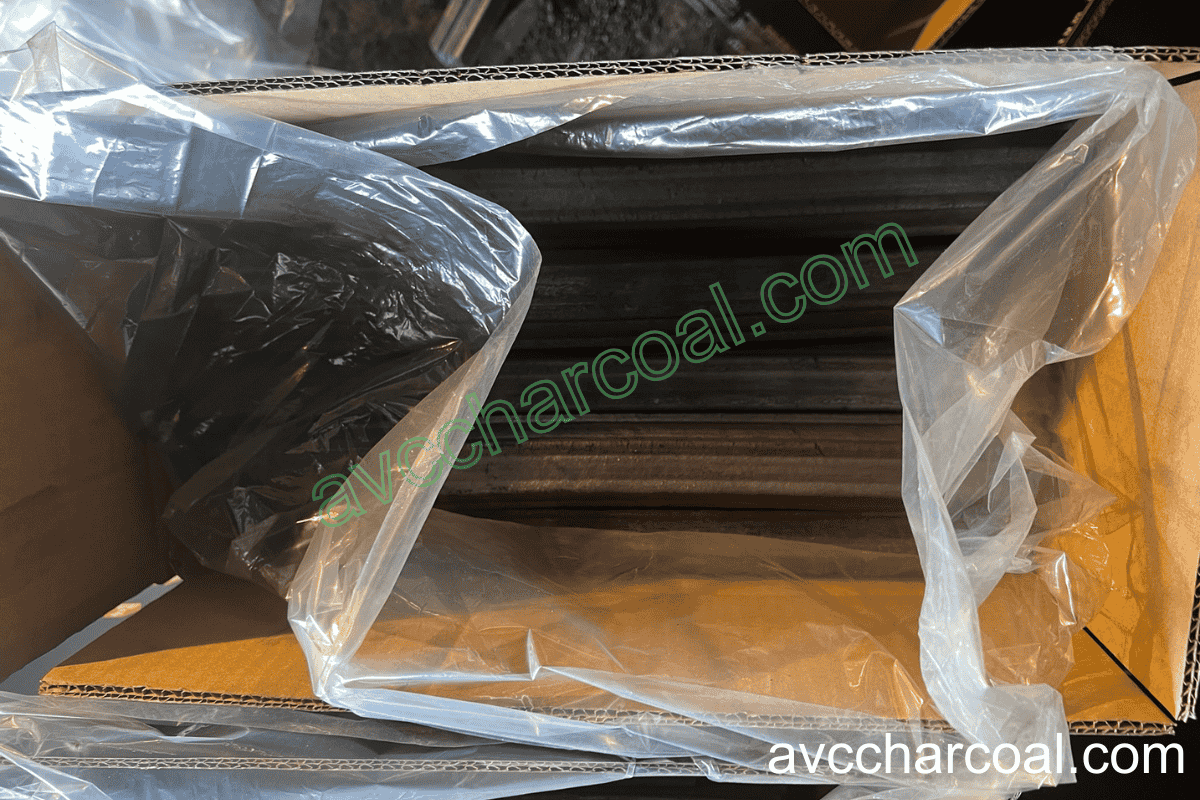
1. Moisture Exposure During Loading
Moisture is the biggest threat to charcoal quality.
If charcoal absorbs moisture, it may:
- Lose burning efficiency
- Produce more smoke
- Increase ash content
- Develop mold
- Cause container sweating
To avoid this, loading must be done in dry conditions, with no rain exposure and strict moisture control at the factory.
2. Poor Packaging Quality
Packaging plays a critical role in protecting charcoal during long-distance shipping. Weak or non-water-resistant packaging can lead to:
- Broken briquettes
- Deformed carton boxes
- Leakage of fine powder
- Moisture absorption during transit
Recommended packaging includes:
- Thick carton boxes with inner plastic lining
- Laminated PP bags
- Heat-sealed small bags (for BBQ retail packaging)
- Jumbo bags with moisture protection
3. Container Temperature and Humidity Fluctuations
Shipping containers travel through different climates—from hot tropical regions to colder areas.
This can cause:
- Condensation
- Container sweating
- Moisture accumulation on the roof and walls
- Increased humidity inside packaging
Charcoal must have low moisture before loading, and desiccant packs are recommended for sensitive markets.
4. Overloading or Uneven Stacking
Incorrect loading practices can damage charcoal before it reaches the destination.
Common issues include:
- Cracked briquettes
- Excessive fine powder
- Unstable stacking leading to collapse
- Excess pressure on lower layers
Proper palletizing helps maintain shape and structure of the briquettes.
5. Long Transit Times
For destinations like Europe, South America, or the Middle East, transit can take:
- 25–40 days by sea
- 6–8 weeks during peak seasons
The longer the journey, the higher the risk of:
- Moisture changes
- Temperature swings
- Packaging deformation
Suppliers must use stable, export-grade charcoal with strong packaging for long routes.
6. Poor Ventilation Inside the Container
Charcoal does not require open ventilation, but improper airflow or sealed moisture can cause issues.
If moisture is already present in the product, the lack of ventilation can worsen:
- Mold growth
- Ash coagulation
- Damp smell
- Reduced burning efficiency
Ensuring charcoal has stable moisture before loading is more important than adding ventilation.
7. Factory Moisture Control Before Packing
The charcoal must be:
- Fully dried
- Stored in a dry warehouse
- Checked with moisture meters
- Packed immediately after production
Factories with weak moisture control often produce inconsistent results, even if shipping conditions are good.
Conclusion
Charcoal quality during export shipping depends heavily on moisture control, packaging strength, container conditions, loading methods, and transit duration. By understanding these key factors, buyers and suppliers can work together to minimize risks and ensure the charcoal arrives in perfect condition. Proper procedures at the factory, combined with careful loading and stable temperature management, guarantee consistent performance upon delivery.
Related news

The Mission of AVC Charcoal Bring Green to the World
The Mission of AVC Charcoal: Bring Green to the World As the world moves toward a more sustainable future, businesses have an important role to play in reducing environmental impact and...
Read more
How to Light sawdust Briquette Charcoal for BBQ
How to Light AVC Sawdust Briquette Charcoal for BBQ Lighting sawdust briquette charcoal properly is the first step to achieving steady heat and a clean BBQ experience. AVC sawdust briquette charcoal...
Read more
How to Control Heat When Using Briquette Charcoal for BBQ
How to Control Heat When Using Briquette Charcoal for BBQ Controlling heat is essential for a successful BBQ. When using briquette charcoal, maintaining the right temperature helps food cook evenly, stay...
Read more
How Long Does Briquette Charcoal Take to Fully Ignite?
How Long Does Briquette Charcoal Take to Fully Ignite? Briquette charcoal is a popular fuel for BBQs because it burns steadily, produces consistent heat, and can provide a long-lasting cooking temperature....
Read more
How to Choose a Reliable Charcoal Supplier in Vietnam (2026 Guide)
How to Choose a Reliable Charcoal Supplier in Vietnam (2026 Guide) Finding a reliable charcoal supplier in Vietnam can be challenging, especially for importers who are sourcing from overseas. While Vietnam...
Read more

