








How Climate Conditions Affect Charcoal Performance During Shipping
admin
Shipping charcoal across international routes involves many environmental challenges that can directly affect product quality. From tropical humidity in Southeast Asia to dry heat in the Middle East, each climate condition influences how charcoal behaves inside the container. Because of this, understanding the impact of temperature, humidity, and air circulation is essential for importers who want to maintain consistent quality upon arrival.
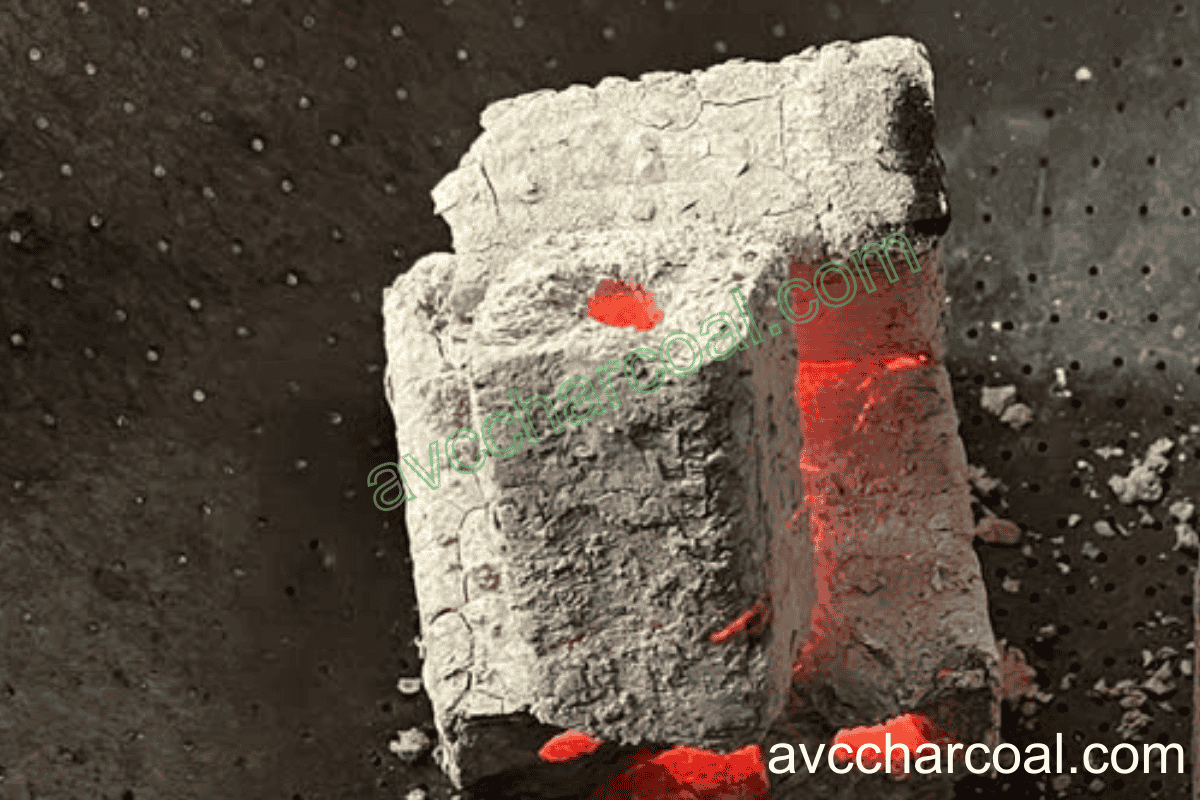
One of the most common issues during shipping is moisture absorption. Even when charcoal is produced with moisture levels as low as 5–8%, long sea voyages can lead to humidity buildup inside the container—a phenomenon known as container sweating. When the temperature outside drops suddenly, condensation forms on the inner walls and ceiling of the container. This moisture can drip onto the bags, causing mold, odor, and reduced burning performance.
For briquette charcoal, which requires stable density and dryness to burn efficiently, moisture absorption can significantly affect heat output and smoke level. Hardwood lump charcoal is also vulnerable; its porous structure allows it to absorb moisture quickly, especially during long transit or storage in humid ports.
Another climate factor that affects charcoal is temperature fluctuation. Extreme heat can weaken packaging materials, cause deformation in low-quality bags, or accelerate chemical reactions inside the container. In regions like the Middle East, containers may sit under direct sunlight at 45–50°C, making proper insulation and ventilation especially important.
To address these challenges, AVC Charcoal implements a series of climate-control measures designed for long-distance export. All charcoal is dried to optimal levels before packing, stored in a humidity-controlled warehouse, and sealed with PE liners to prevent reabsorption. Desiccant packs are placed inside each container to counter humidity buildup and minimize condensation risk during transit. Fire-resistant tarpaulin lining also adds extra protection against sudden temperature shocks.
With these protective methods, AVC Charcoal ensures that buyers receive charcoal that maintains its quality—dry, clean, smokeless, and ready for BBQ or shisha—regardless of climate variations during transport.
For importers, understanding climate conditions is the key to reducing risks and ensuring consistent product performance. With a reliable supplier that takes climate protection seriously, each shipment becomes more stable, predictable, and safe.
Related news

The Mission of AVC Charcoal Bring Green to the World
The Mission of AVC Charcoal: Bring Green to the World As the world moves toward a more sustainable future, businesses have an important role to play in reducing environmental impact and...
Read more
How to Light sawdust Briquette Charcoal for BBQ
How to Light AVC Sawdust Briquette Charcoal for BBQ Lighting sawdust briquette charcoal properly is the first step to achieving steady heat and a clean BBQ experience. AVC sawdust briquette charcoal...
Read more
How to Control Heat When Using Briquette Charcoal for BBQ
How to Control Heat When Using Briquette Charcoal for BBQ Controlling heat is essential for a successful BBQ. When using briquette charcoal, maintaining the right temperature helps food cook evenly, stay...
Read more
How Long Does Briquette Charcoal Take to Fully Ignite?
How Long Does Briquette Charcoal Take to Fully Ignite? Briquette charcoal is a popular fuel for BBQs because it burns steadily, produces consistent heat, and can provide a long-lasting cooking temperature....
Read more
How to Choose a Reliable Charcoal Supplier in Vietnam (2026 Guide)
How to Choose a Reliable Charcoal Supplier in Vietnam (2026 Guide) Finding a reliable charcoal supplier in Vietnam can be challenging, especially for importers who are sourcing from overseas. While Vietnam...
Read more

