








First Aid Guide for Charcoal Burn Injuries at Home
admin
Charcoal is widely used for cooking, heating, and barbecuing at home. While charcoal provides efficient heat and excellent cooking results, improper handling can lead to burn injuries. Understanding basic first aid for charcoal burns is essential to reduce pain, prevent infection, and avoid long-term skin damage.
This guide provides clear, practical first aid steps for charcoal burn injuries at home and explains when medical attention is necessary.
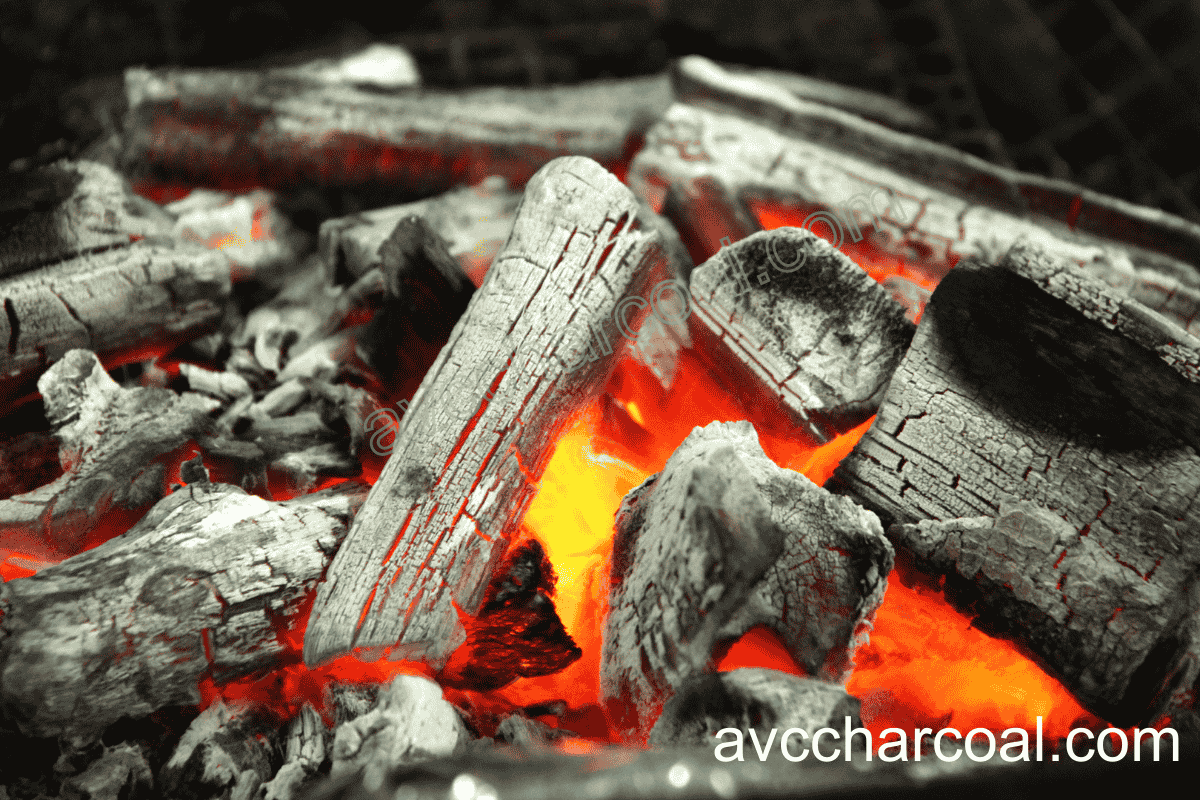
Common Causes of Charcoal Burn Injuries
Charcoal burn injuries often occur due to everyday mistakes, including:
- Direct contact with hot charcoal or embers
- Accidental spills of burning briquettes
- Improper handling during ignition or disposal
- Using charcoal indoors or in poorly ventilated areas
- Children or pets coming into contact with hot grills
Recognizing these risks helps reduce accidents and ensures safer charcoal use.
Types of Charcoal Burns
Charcoal burns are generally classified into three levels:
Minor Burns (First-Degree)
These burns affect only the outer layer of skin and cause redness, mild swelling, and pain.
Moderate Burns (Second-Degree)
These burns penetrate deeper into the skin and may cause blisters, severe pain, and swelling.
Severe Burns (Third-Degree)
These burns damage all layers of the skin and may appear white, charred, or numb. Severe burns require immediate medical care.
Immediate First Aid for Charcoal Burns
Step 1: Remove the Heat Source
Carefully move away from the charcoal or heat source. If clothing is burning, extinguish flames immediately using water or by rolling on the ground.
Step 2: Cool the Burn
Hold the burned area under cool running water for 15 to 20 minutes. This helps stop the burning process and reduces tissue damage. Do not use ice, as it can worsen the injury.
Step 3: Clean the Area
Gently clean the burn with mild soap and clean water. Avoid scrubbing or breaking blisters.
Step 4: Protect the Burn
Cover the burn with a sterile, non-stick dressing or clean cloth. This protects the area from infection and irritation.
Step 5: Manage Pain
Over-the-counter pain relief may help reduce discomfort. Keep the burned area elevated if possible to minimize swelling.
What Not to Do
To avoid complications, do not:
- Apply butter, oil, toothpaste, or home remedies
- Pop blisters
- Cover burns with dirty cloths or tight bandages
- Use adhesive materials directly on burned skin
Incorrect treatment can delay healing and increase infection risk.
When to Seek Medical Attention
Seek professional medical help immediately if:
- The burn is larger than the palm of a hand
- The burn affects the face, hands, feet, or joints
- There are signs of infection such as pus, fever, or increased redness
- The burn appears deep, charred, or numb
- The injured person is a child or elderly
Prompt medical care can prevent serious complications.
Preventing Charcoal Burn Injuries at Home
Prevention is the most effective protection. Follow these safety tips:
- Use heat-resistant gloves when handling charcoal
- Keep children and pets away from grills
- Allow charcoal to cool completely before disposal
- Use charcoal only in well-ventilated outdoor areas
- Choose high-quality charcoal that burns consistently and produces less spark and smoke
Conclusion
Charcoal burn injuries can happen quickly, but proper first aid can significantly reduce damage and speed recovery. Knowing how to respond calmly and correctly is essential for every household that uses charcoal regularly. By following safety practices and using reliable charcoal products, you can enjoy cooking and heating safely at home.
You might want to study more about product: hexagonal sawdust briquette charcoal
You might want to watch our video: How to make sawdust briquette charcoal
You might want to study more about production process: Our production process
You may want to see other related news: Compressed Sawdust Charcoal: A Sustainable and Efficient Fuel Solution
Related news

The Mission of AVC Charcoal Bring Green to the World
The Mission of AVC Charcoal: Bring Green to the World As the world moves toward a more sustainable future, businesses have an important role to play in reducing environmental impact and...
Read more
How to Light sawdust Briquette Charcoal for BBQ
How to Light AVC Sawdust Briquette Charcoal for BBQ Lighting sawdust briquette charcoal properly is the first step to achieving steady heat and a clean BBQ experience. AVC sawdust briquette charcoal...
Read more
How to Control Heat When Using Briquette Charcoal for BBQ
How to Control Heat When Using Briquette Charcoal for BBQ Controlling heat is essential for a successful BBQ. When using briquette charcoal, maintaining the right temperature helps food cook evenly, stay...
Read more
How Long Does Briquette Charcoal Take to Fully Ignite?
How Long Does Briquette Charcoal Take to Fully Ignite? Briquette charcoal is a popular fuel for BBQs because it burns steadily, produces consistent heat, and can provide a long-lasting cooking temperature....
Read more
How to Choose a Reliable Charcoal Supplier in Vietnam (2026 Guide)
How to Choose a Reliable Charcoal Supplier in Vietnam (2026 Guide) Finding a reliable charcoal supplier in Vietnam can be challenging, especially for importers who are sourcing from overseas. While Vietnam...
Read more

