






Charcoal Price Trends in Taiwan 2020–2026 Market Analysis for Importers
admin
From 2020 to 2026, charcoal prices for the Taiwanese market have followed the broader global trends in solid fuel and shipping costs. While exact prices depend on product type and contract terms, importers in Taiwan have seen:
- Stable to moderate prices in 2020–2021
- A sharp increase in 2022 driven by logistics and energy shocks
- A correction in 2023–2024 as freight and fuel markets normalized
- Relative stabilization in 2025–2026, with slightly softer outlooks as global coal and energy prices are expected to ease. Reuters+4PNP Charcoal+4PNP Charcoal+4
This article provides a practical overview of price trends and purchasing strategies for Taiwanese importers of BBQ briquette charcoal, especially from Vietnam and other Asian suppliers.
Typical Price Range for Charcoal Imports to Taiwan
Globally, export prices for charcoal typically range from about 350 to 1,500 USD/ton FOB, depending on the type (white charcoal, coconut, sawdust, mangrove, etc.).PNP Charcoal+1
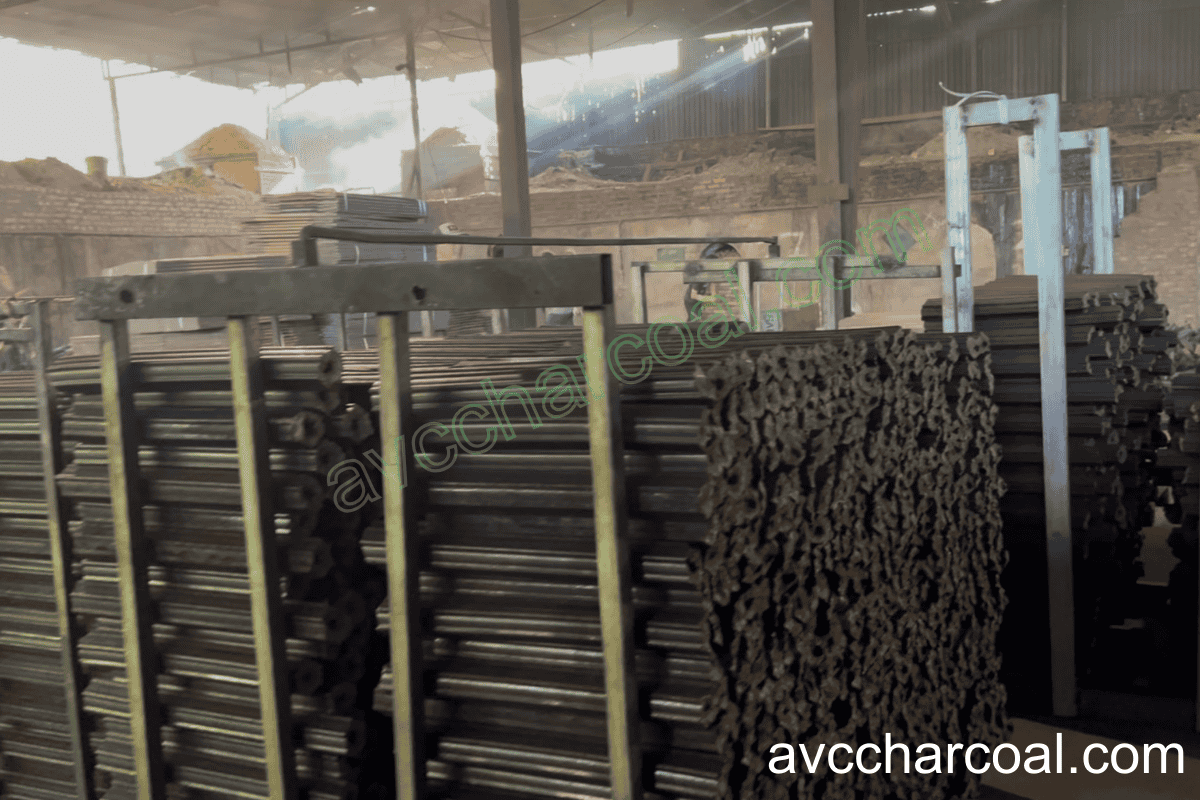
For Taiwan-focused importers buying BBQ-grade briquette charcoal (sawdust or coconut shell) from Vietnam and other Asian producers, a more realistic working range is:
- Standard briquette charcoal: ~400–700 USD/ton FOB for good-quality sawdust or bamboo/sawdust briquettes. Premium Charcoal Supplier from Vietnam
- Premium coconut briquettes / specialty grades: typically higher, depending on ash, fixed carbon, and certifications.
Final CIF Taiwan prices depend heavily on:
- Ocean freight and local port charges
- Container size and stuffing efficiency
- Insurance and documentation costs
2020–2021: Relatively Stable
During the early COVID period, demand for home BBQ and outdoor cooking increased, but:
- Many contracts were still based on pre-crisis freight levels
- Fuel and global coal prices had not yet peaked
As a result, FOB prices for briquette charcoal remained moderate, and CIF Taiwan was mostly influenced by manageable freight surcharges.
2022: Sharp Increase in Delivered Costs
By 2022, charcoal buyers worldwide faced:
- Very high container freight rates
- Increases in global coal and energy prices
- Supply chain disruptions that pushed export offers sharply upward World Bank Blogs+1
For Taiwanese importers, the main impact was:
- Higher CIF prices, even when FOB stayed within the usual range
- More frequent price revisions from suppliers
- Shorter price validity in quotations (sometimes only 1–2 weeks)
2023–2024: Correction and Normalization
In 2023–2024, several trends helped reduce price pressure:
- Global energy and coal prices started to decline from their peaks, with projections of further decreases into 2025–2026. World Bank Blogs+1
- Freight rates eased from extreme pandemic-era highs.
- Supply chains stabilized, and production in Vietnam, Indonesia, and other exporters recovered.
For Taiwan, this meant:
- More competitive offers from multiple suppliers
- Better room for negotiation on volume contracts
- A return to more “normal” FOB ranges (for example, ~400–700 USD/ton for good briquette charcoal)
2025–2026 Outlook: What Taiwanese Importers Should Expect
By 2025–2026, several indicators suggest a relatively soft to stable price environment:
- International coal benchmarks are forecast to decline further after falling in 2024, as global demand for coal-fired power gradually eases. World Bank Blogs+1
- In Asia, thermal coal imports show mixed patterns—overall pressure on prices remains, with demand growth slowing and renewables increasing their share. Reuters
Although charcoal is a different product from thermal coal, these trends influence:
- Production costs in exporting countries
- Competition among solid fuels
- Freight and energy surcharges charged by suppliers
For Taiwanese importers, the base FOB price of high-quality briquette charcoal is unlikely to return to pre-2020 levels, but CIF levels should remain more predictable than in 2022.
Key Factors That Drive Charcoal Prices for Taiwan
When planning purchases for the Taiwanese market, importers should watch:
- Type of charcoal
- Sawdust briquettes vs coconut shell vs lump charcoal
- Premium low-ash, low-smoke grades cost more.
- Quality specifications
- Fixed carbon, ash content, moisture, density, and shape consistency
- Food-service and night market customers often demand stable, long-burning products.
- Order volume & contract length
- Full-container-load (FCL) orders and longer-term contracts often secure better unit prices.
- Freight & logistics to Taiwan
- Changes in ocean freight rates to Kaohsiung, Keelung, or Taichung
- Bunker fuel costs and seasonal peak charges.
- Currency and payment terms
- USD fluctuations against TWD
- Prepayment vs L/C vs deferred terms, which affect supplier risk and pricing.
Pricing Strategy Tips for Taiwanese Importers
To manage charcoal price risk between 2020–2026 and beyond, importers in Taiwan can consider:
- Combining short-term and long-term contracts
Secure a base volume at a fixed or formula-based price, and keep some volume flexible.
- Diversifying suppliers
Work with at least 2–3 reliable factories (for example in Vietnam and Indonesia) to avoid overdependence on one source.
- Negotiating price review clauses
Allow periodic adjustment based on clearly defined factors (freight indices, key cost benchmarks).
- Focusing on total cost, not just FOB
Evaluate burning time, ash, and performance to calculate cost per hour of use, not only cost per ton.
Conclusion
From 2020 to 2026, charcoal prices relevant to the Taiwanese market have moved through a full cycle: relative stability, a sharp spike, then correction and partial normalization.
For importers supplying Taiwan’s BBQ restaurants, night markets, and retail sector, the winning strategy is to:
- Understand long-term price trends
- Monitor freight and energy costs
- Negotiate smart contracts with dependable exporters
This approach keeps your charcoal supply stable and competitive, even when global markets fluctuate.
You may want to see other related news: Best Types of Charcoal for Taiwanese BBQ, Night Markets & Skewer Restaurants
You might want to learn more about our products here: Our Products
For more updates and articles, visit: Featured News
Click here to watch our company introduction videos: Introduction Videos
Related news

The Mission of AVC Charcoal Bring Green to the World
The Mission of AVC Charcoal: Bring Green to the World As the world moves toward a more sustainable future, businesses have an important role to play in reducing environmental impact and...
Read more
How to Light sawdust Briquette Charcoal for BBQ
How to Light AVC Sawdust Briquette Charcoal for BBQ Lighting sawdust briquette charcoal properly is the first step to achieving steady heat and a clean BBQ experience. AVC sawdust briquette charcoal...
Read more
How to Control Heat When Using Briquette Charcoal for BBQ
How to Control Heat When Using Briquette Charcoal for BBQ Controlling heat is essential for a successful BBQ. When using briquette charcoal, maintaining the right temperature helps food cook evenly, stay...
Read more
How Long Does Briquette Charcoal Take to Fully Ignite?
How Long Does Briquette Charcoal Take to Fully Ignite? Briquette charcoal is a popular fuel for BBQs because it burns steadily, produces consistent heat, and can provide a long-lasting cooking temperature....
Read more
How to Choose a Reliable Charcoal Supplier in Vietnam (2026 Guide)
How to Choose a Reliable Charcoal Supplier in Vietnam (2026 Guide) Finding a reliable charcoal supplier in Vietnam can be challenging, especially for importers who are sourcing from overseas. While Vietnam...
Read more

